
By Lauren Panoff, MPH, RD
Published September 8, 2026
Fatty fish, UV-exposed mushrooms, and fortified foods can help support your vitamin D intake.
Key Takeaways
-
- Only a limited number of foods provide meaningful amounts of vitamin D, particularly fatty fish and vitamin D-fortified foods.
- Meeting your vitamin D needs may require a combination of dietary sources, appropriate sun exposure, and supplementation when necessary.
- Vitamin D status varies from person to person and depends on factors such as age, skin pigmentation, geographic location, season, and overall health.
Vitamin D is an important nutrient for bone health, muscle function, immune function, and overall health. However, many people do not get enough of it.
Including vitamin D-rich foods in your diet can help you meet your nutritional needs. The recommended dietary allowance (RDA) is 600 international units (IU) per day for adults ages 19 to 70 and 800 IU per day for adults over 70.
For some people, food alone may provide enough vitamin D. Others may still need supplementation, depending on their individual needs and vitamin D status.
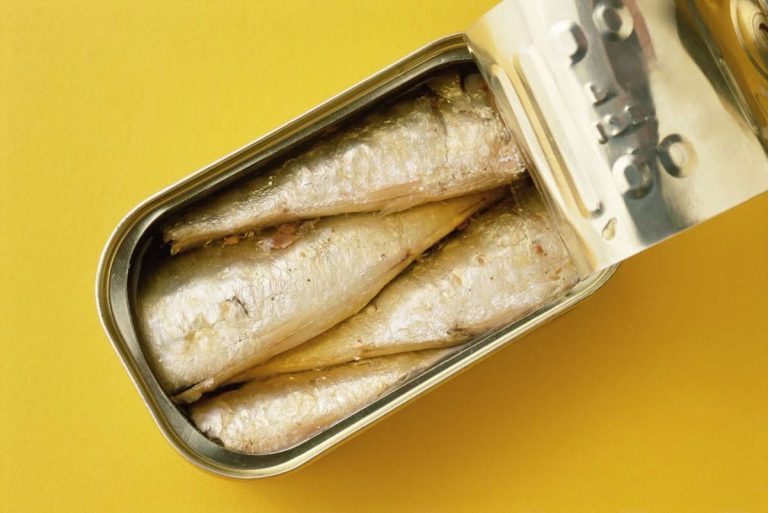
1. Fatty Fish
Fatty fish are among the richest natural food sources of vitamin D, making them one of the most reliable ways to