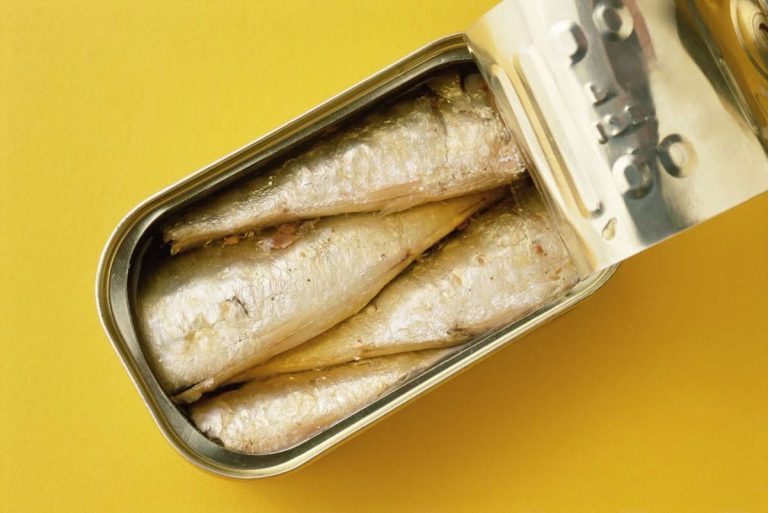
increase your intake through food. The vitamin D content can vary depending on the species and whether the fish is wild-caught or farm-raised.
Some fish that provide vitamin D include:
- Trout: 539 IU per fillet
- Salmon: 493 IU per 3-ounce serving
- Mackerel: 248 IU per 3-ounce serving
- Flatfish, such as flounder and sole: 177 IU per fillet
- Pickled herring: 158 IU per cup
- Tilapia: 144 IU per fillet
Eating fatty fish a few times a week can make a meaningful contribution to your vitamin D intake while also providing protein and omega-3 fatty acids.
2. Cod Liver Oil
Although cod liver oil is not a typical staple food for most people, it is a concentrated source of vitamin D, providing approximately 1,360 IU per tablespoon.
Cod liver oil also contains vitamin A and omega-3 fatty acids. Historically, cod liver oil was commonly given to children as a source of vitamin D to help prevent rickets, a condition associated with severe vitamin D deficiency and impaired bone development.
Cod liver oil has a distinctive fishy, oily, and sometimes slightly bitter flavor. If you do not enjoy the taste, it is also available in capsule form.
Because cod liver oil contains
For Complete Cooking STEPS Please Head On Over To Next Page Or Open button (>)